

TOILET
REPLACEMENT RIO RANCHO
SIGNS ITS TIME FOR TOILET REPLACEMENT
CHOOSING THE RIGHT TOILET
THE TOILET REPLACEMENT PROCESS
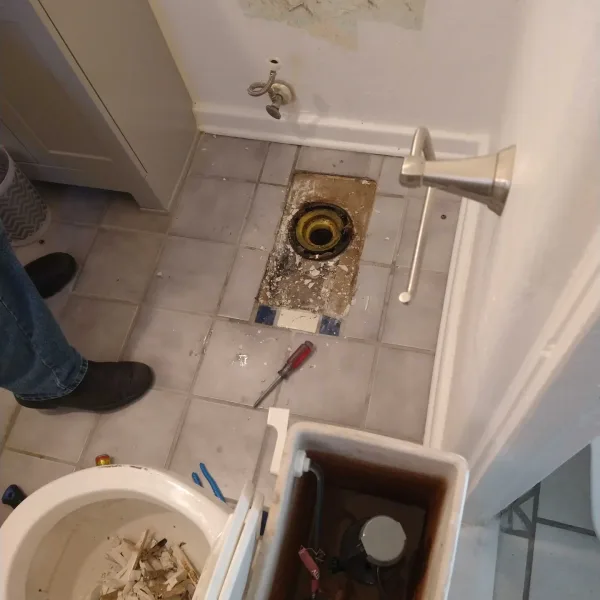
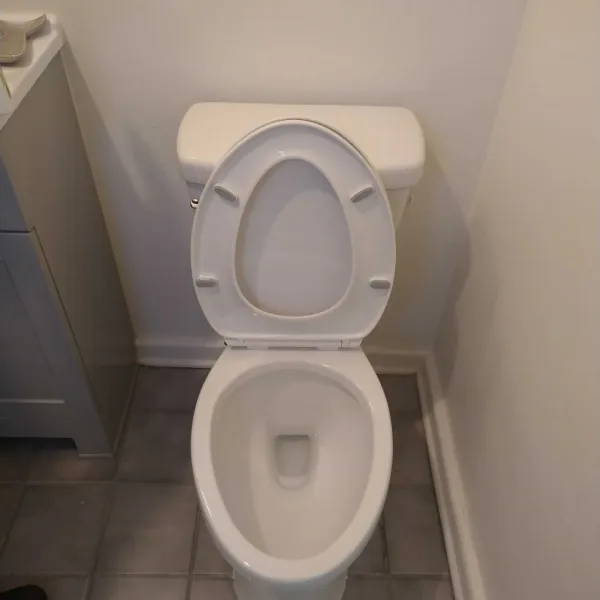

TOILET REPLACEMENT RIO RANCHO
Toilet replacement may seem like a straightforward task, but it’s essential to consider a few key factors to ensure a successful installation. While many toilets share similar basic functionalities, not all toilets are created equal in terms of size, shape, and installation requirements. Therefore, the answer to the question “Can I replace my toilet with any toilet?” depends on various factors.
One crucial consideration is the rough-in measurement, which refers to the distance between the wall behind the toilet and the center of the drainpipe. Standard rough-in measurements are around 12 inches, but variations exist, such as 10 or 14 inches. It’s crucial to choose a new toilet with a matching rough-in size to avoid complications during installation. Some toilets are designed to accommodate multiple rough-in sizes, providing more flexibility in replacement options.
Additionally, the shape and size of the toilet bowl can differ between models. Common toilet shapes include elongated and round, with elongated bowls offering a bit more seating space. The available space in your bathroom and personal preference will dictate which shape is most suitable for your toilet replacement.
Another important factor is the type of flushing system. Older toilets may use more water per flush, while newer models often feature water-saving designs. Confirming that the new toilet meets local water efficiency regulations is not only environmentally responsible but can also contribute to lower water bills.
Finally, the height of the toilet can vary. Standard toilets have a height ranging from 15 to 17 inches. However, comfort height or ADA-compliant toilets are taller, providing ease of use for individuals with mobility challenges. Ensuring that the replacement toilet’s height aligns with your preferences and any accessibility requirements is crucial for a satisfactory installation.
In conclusion, while it’s not a universal truth that you can replace any toilet with any other toilet, careful consideration of rough-in measurements, bowl shape, flushing system, and height will help you select a suitable replacement that fits your bathroom space and meets your specific needs.
Toilet replacement involves several considerations to ensure a smooth and successful installation. One of the primary factors to take into account is the rough-in measurement, which is the distance between the wall behind the toilet and the center of the drainpipe. Standard rough-in measurements are typically around 12 inches, but variations like 10 or 14 inches exist. Choosing a new toilet that matches your bathroom’s rough-in size is crucial to avoid complications during installation. Some toilets are designed to accommodate multiple rough-in sizes, providing flexibility in replacement options.
The shape and size of the toilet bowl are also essential considerations. Common shapes include elongated and round bowls, each offering distinct seating comfort. The available space in your bathroom and personal preference will influence your choice in this regard.
Another critical factor is the flushing system. Older toilets may use more water per flush, while newer models often feature water-saving designs. Ensuring that the new toilet meets local water efficiency regulations not only contributes to environmental conservation but also may lead to reduced water bills.
The height of the toilet is another consideration that can impact comfort and accessibility. Standard toilets typically have a height ranging from 15 to 17 inches, but comfort height or ADA-compliant toilets are taller, catering to individuals with mobility challenges. Selecting a toilet height that aligns with your preferences and any specific accessibility requirements is crucial for a satisfactory replacement.
Additionally, it’s important to consider the overall aesthetic and style of the toilet, ensuring that it complements your bathroom decor. Checking local building codes and regulations is also advisable to ensure compliance with any specific requirements in your area.
Lastly, before embarking on the replacement process, gather all necessary tools and materials. This includes a wax ring, toilet bolts, a wrench, a screwdriver, and possibly a saw for any adjustments. Following these considerations will help you make an informed decision when replacing your toilet, ensuring a successful and trouble-free installation.
The cost of replacing a toilet can vary based on several factors, including the type of toilet you choose, the complexity of the installation, and regional differences in labor and material costs. On average, the cost of a basic toilet replacement can range from $200 to $700. This estimate typically includes the cost of the new toilet, labor, and any necessary materials.
The type of toilet you select plays a significant role in determining the overall cost. Basic models with standard features are generally more affordable, while high-end or specialized toilets with advanced features may come with a higher price tag. Additionally, factors such as water efficiency, flush mechanism, and design aesthetics can influence the cost of the toilet itself.
The complexity of the installation can also impact the overall cost. If the replacement requires adjustments to the plumbing or if the rough-in measurement of the new toilet doesn’t match the existing setup, additional labor and materials may be needed, leading to a higher cost. In contrast, a straightforward replacement with minimal adjustments tends to be less expensive.
Labor costs vary depending on the region, with urban areas generally having higher labor rates than rural areas. Hiring a professional plumber for the installation is advisable, as they have the expertise to ensure a proper and code-compliant installation. Plumbers often charge an hourly rate or provide a flat fee for the entire job, factoring in their time, expertise, and any additional materials required.
It’s essential to obtain multiple quotes from reputable plumbers to get a better understanding of the specific costs associated with your location and the unique aspects of your toilet replacement project. Keep in mind that unexpected issues or complications during the installation process can also affect the final cost. Overall, a well-researched approach and clear communication with the plumber can help you budget effectively for a toilet replacement.